
How to Reduce Vendor Risk in Construction Projects: A Complete Guide
2026-01-04
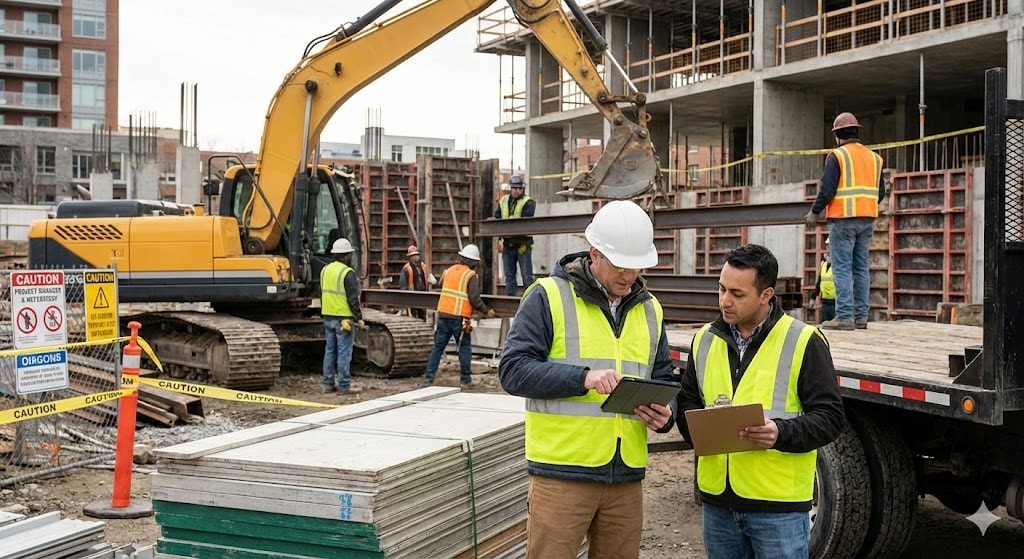
Construction projects operate within tight margins where vendor-related problems can quickly escalate into major setbacks. A supplier who delivers substandard materials, a subcontractor who misses critical deadlines, or a vendor who fails to maintain proper insurance coverage can cost organizations hundreds of thousands of dollars and damage hard-earned reputations.
Effective vendor risk management isn't just about avoiding problems. It's about building resilient supply chains, maintaining project momentum, and ensuring every vendor relationship contributes positively to project success. Organizations that take a proactive approach to vendor risk consistently outperform competitors who treat vendor management as an administrative afterthought.
Identifying the most common vendor risks in construction
Construction projects face unique vendor challenges that require careful attention. Financial instability represents one of the most significant risks, as vendors struggling with cash flow may cut corners on quality, fail to pay their own subcontractors, or suddenly cease operations mid-project. These failures create cascading problems that affect project schedules and budgets.
Quality and compliance risks present another major concern. Vendors who fail to meet specifications or ignore safety protocols put projects at risk of rework, accidents, and regulatory violations. A single safety incident can shut down an entire construction site, costing organizations tens of thousands of dollars per day in delays.
Capacity and reliability issues also plague construction projects. Vendors who overcommit their resources may struggle to deliver on time, forcing project managers to scramble for alternatives. Geographic and logistical challenges compound these problems, particularly for large projects requiring materials or services from multiple locations.
Understanding these risk categories helps organizations develop targeted mitigation strategies rather than applying generic vendor management approaches that miss construction-specific vulnerabilities.
Implementing thorough vendor qualification processes
Preventing vendor problems begins before contracts are signed. A rigorous qualification process filters out high-risk vendors and ensures only capable partners participate in your projects. This upfront investment saves far more time and money than dealing with vendor failures during critical project phases.
Financial stability assessments form the foundation of vendor qualification. Request audited financial statements, credit reports, and bank references to verify vendors have the resources to fulfill their obligations. For large contracts, consider requiring performance bonds that protect your organization if vendors fail to deliver.
Technical capability verification ensures vendors possess the skills, equipment, and experience necessary for your specific requirements. Review past project portfolios, check references with previous clients, and evaluate their quality management systems. Site visits to vendor facilities often reveal important information about their operations that wouldn't appear in formal documentation.
Safety records and compliance history provide crucial insights into vendor reliability. Vendors with poor safety performance or repeated regulatory violations pose unacceptable risks. Request OSHA incident reports, safety certifications, and evidence of ongoing safety training programs.
Insurance and bonding requirements protect your organization from liability when vendors cause accidents or property damage. Verify that vendors maintain adequate general liability, workers' compensation, and professional liability coverage. Require certificates of insurance that name your organization as an additional insured party.
Creating vendor performance monitoring systems
Qualifying vendors properly reduces risk, but ongoing performance monitoring ensures they continue meeting your standards throughout the project lifecycle. Waiting until problems become obvious before taking action allows small issues to become major crises.
Establish clear performance metrics that align with your project objectives. Track on-time delivery rates, quality inspection results, safety incident frequencies, and responsiveness to project team communications. Quantifying vendor performance creates objective data that supports decision-making and holds vendors accountable.
Regular performance reviews provide opportunities to address concerns before they escalate. Schedule formal evaluations at project milestones where you discuss performance trends, identify improvement areas, and recognize exceptional contributions. These conversations strengthen vendor relationships while maintaining performance standards.
Early warning indicators help project teams spot potential problems before they impact schedules or budgets. Monitor vendor financial health throughout the contract period, as conditions can deteriorate quickly in volatile economic environments. Watch for signs like delayed responses to communications, reduced staffing on your project, or requests for payment terms changes.
Vendor scorecards provide at-a-glance visibility into performance across multiple dimensions. Color-coded ratings make it easy to identify which vendors require additional oversight and which consistently exceed expectations. These tools prove particularly valuable for organizations managing dozens of concurrent vendor relationships.
Developing contingency plans for vendor failures
Even with excellent qualification and monitoring processes, vendor failures occasionally occur. Organizations need contingency plans that minimize disruption when vendors can't fulfill their obligations. The time to develop these plans is before problems arise, not during a crisis.
Identify critical vendors whose failure would significantly impact project timelines or budgets. For these high-impact relationships, develop specific backup plans that include pre-qualified alternative vendors, emergency procurement procedures, and decision-making protocols. Having these plans documented and approved eliminates delays when quick action becomes necessary.
Build redundancy into your vendor network by qualifying multiple vendors for critical materials and services. While this approach involves additional upfront effort, it provides flexibility when primary vendors encounter problems. Maintaining relationships with backup vendors, even if you use them infrequently, ensures they're ready to step in when needed.
Include vendor substitution clauses in contracts that allow you to replace non-performing vendors without lengthy legal disputes. Clearly define performance thresholds that trigger substitution rights and the process for transitioning work to replacement vendors. These contractual protections provide leverage that encourages vendors to resolve problems quickly.
Leveraging technology for vendor risk management
Manual vendor risk management approaches struggle to keep pace with the complexity of modern construction projects. Spreadsheets and email-based tracking systems create information silos, make it difficult to spot trends, and fail to provide real-time visibility into vendor performance.
Vendor lifecycle management software centralizes all risk-related information in accessible dashboards. Project managers can instantly see which vendors have expiring insurance policies, declining performance scores, or outstanding compliance issues. Automated alerts ensure no critical deadlines are missed and problems receive immediate attention.
These platforms maintain comprehensive audit trails that document all vendor interactions, performance evaluations, and corrective actions. When disputes arise or regulators request evidence of due diligence, organizations can generate complete reports in minutes rather than spending days compiling information from multiple sources.
Integration capabilities allow vendor management systems to connect with project management software, accounting systems, and quality control tools. This connectivity eliminates duplicate data entry, ensures information consistency across systems, and provides holistic views of how vendor performance impacts overall project health.
Advanced analytics transform vendor data into strategic insights. Identify which vendor attributes correlate with successful outcomes, predict which vendors pose elevated risks based on historical patterns, and benchmark your vendor performance against industry standards. These capabilities support continuous improvement in vendor selection and management practices.
Building collaborative vendor relationships
While protecting your organization from vendor risks is essential, the most successful construction companies also invest in building strong vendor partnerships. Collaborative relationships create environments where vendors feel motivated to exceed expectations and proactively communicate potential problems.
Clear communication establishes the foundation for productive vendor relationships. Share project objectives, timeline expectations, and quality standards before work begins. Regular check-ins throughout the project keep everyone aligned and provide opportunities to address small concerns before they become significant issues.
Fair payment practices encourage vendors to prioritize your projects and maintain quality standards. Process invoices promptly according to contract terms and address payment disputes quickly and professionally. Vendors who trust they'll be paid fairly and on time are more likely to accommodate urgent requests and go the extra mile when challenges arise.
Recognition programs that celebrate exceptional vendor performance strengthen relationships and set standards for others. Publicly acknowledge vendors who consistently exceed expectations, maintain perfect safety records, or help solve difficult project challenges. These gestures cost nothing but create goodwill that pays dividends throughout the project lifecycle.
Conducting regular vendor risk assessments
Vendor risk profiles change over time as market conditions shift, companies grow or contract, and new challenges emerge. Regular risk assessments ensure your understanding of vendor capabilities and vulnerabilities remains current.
Annual comprehensive reviews examine vendor financial health, operational capacity, market position, and strategic direction. These deep-dive assessments identify changing risk levels that might not be apparent from routine performance monitoring. Schedule these reviews during project planning phases when you have flexibility to adjust vendor strategies.
Trigger-based assessments respond to specific events that might impact vendor risk profiles. Significant leadership changes, mergers and acquisitions, major lawsuits, or economic disruptions in vendor industries all warrant immediate risk reassessment. Don't wait for scheduled reviews when circumstances change dramatically.
Industry and market analysis provides context for individual vendor assessments. Understanding broader trends affecting construction supply chains, labor markets, and materials availability helps you anticipate vendor challenges and develop proactive mitigation strategies.
Organizations that excel at vendor risk management view it as an ongoing strategic process rather than a one-time qualification exercise. By implementing systematic approaches to vendor selection, monitoring, and relationship management, construction companies protect project outcomes while building supply chain resilience. The investment in robust vendor lifecycle management practices and supporting technology delivers returns through reduced project delays, lower costs, and improved safety performance.


How to Reduce Vendor Risk in Construction Projects: A Complete Guide
2026-01-04
Construction projects operate within tight margins where vendor-related problems can quickly escalate into major setbacks. A supplier who delivers substandard materials, a subcontractor who misses critical deadlines, or a vendor who fails to maintain proper insurance coverage can cost organizations hundreds of thousands of dollars and damage hard-earned reputations.
Effective vendor risk management isn't just about avoiding problems. It's about building resilient supply chains, maintaining project momentum, and ensuring every vendor relationship contributes positively to project success. Organizations that take a proactive approach to vendor risk consistently outperform competitors who treat vendor management as an administrative afterthought.
Identifying the most common vendor risks in construction
Construction projects face unique vendor challenges that require careful attention. Financial instability represents one of the most significant risks, as vendors struggling with cash flow may cut corners on quality, fail to pay their own subcontractors, or suddenly cease operations mid-project. These failures create cascading problems that affect project schedules and budgets.
Quality and compliance risks present another major concern. Vendors who fail to meet specifications or ignore safety protocols put projects at risk of rework, accidents, and regulatory violations. A single safety incident can shut down an entire construction site, costing organizations tens of thousands of dollars per day in delays.
Capacity and reliability issues also plague construction projects. Vendors who overcommit their resources may struggle to deliver on time, forcing project managers to scramble for alternatives. Geographic and logistical challenges compound these problems, particularly for large projects requiring materials or services from multiple locations.
Understanding these risk categories helps organizations develop targeted mitigation strategies rather than applying generic vendor management approaches that miss construction-specific vulnerabilities.
Implementing thorough vendor qualification processes
Preventing vendor problems begins before contracts are signed. A rigorous qualification process filters out high-risk vendors and ensures only capable partners participate in your projects. This upfront investment saves far more time and money than dealing with vendor failures during critical project phases.
Financial stability assessments form the foundation of vendor qualification. Request audited financial statements, credit reports, and bank references to verify vendors have the resources to fulfill their obligations. For large contracts, consider requiring performance bonds that protect your organization if vendors fail to deliver.
Technical capability verification ensures vendors possess the skills, equipment, and experience necessary for your specific requirements. Review past project portfolios, check references with previous clients, and evaluate their quality management systems. Site visits to vendor facilities often reveal important information about their operations that wouldn't appear in formal documentation.
Safety records and compliance history provide crucial insights into vendor reliability. Vendors with poor safety performance or repeated regulatory violations pose unacceptable risks. Request OSHA incident reports, safety certifications, and evidence of ongoing safety training programs.
Insurance and bonding requirements protect your organization from liability when vendors cause accidents or property damage. Verify that vendors maintain adequate general liability, workers' compensation, and professional liability coverage. Require certificates of insurance that name your organization as an additional insured party.
Creating vendor performance monitoring systems
Qualifying vendors properly reduces risk, but ongoing performance monitoring ensures they continue meeting your standards throughout the project lifecycle. Waiting until problems become obvious before taking action allows small issues to become major crises.
Establish clear performance metrics that align with your project objectives. Track on-time delivery rates, quality inspection results, safety incident frequencies, and responsiveness to project team communications. Quantifying vendor performance creates objective data that supports decision-making and holds vendors accountable.
Regular performance reviews provide opportunities to address concerns before they escalate. Schedule formal evaluations at project milestones where you discuss performance trends, identify improvement areas, and recognize exceptional contributions. These conversations strengthen vendor relationships while maintaining performance standards.
Early warning indicators help project teams spot potential problems before they impact schedules or budgets. Monitor vendor financial health throughout the contract period, as conditions can deteriorate quickly in volatile economic environments. Watch for signs like delayed responses to communications, reduced staffing on your project, or requests for payment terms changes.
Vendor scorecards provide at-a-glance visibility into performance across multiple dimensions. Color-coded ratings make it easy to identify which vendors require additional oversight and which consistently exceed expectations. These tools prove particularly valuable for organizations managing dozens of concurrent vendor relationships.
Developing contingency plans for vendor failures
Even with excellent qualification and monitoring processes, vendor failures occasionally occur. Organizations need contingency plans that minimize disruption when vendors can't fulfill their obligations. The time to develop these plans is before problems arise, not during a crisis.
Identify critical vendors whose failure would significantly impact project timelines or budgets. For these high-impact relationships, develop specific backup plans that include pre-qualified alternative vendors, emergency procurement procedures, and decision-making protocols. Having these plans documented and approved eliminates delays when quick action becomes necessary.
Build redundancy into your vendor network by qualifying multiple vendors for critical materials and services. While this approach involves additional upfront effort, it provides flexibility when primary vendors encounter problems. Maintaining relationships with backup vendors, even if you use them infrequently, ensures they're ready to step in when needed.
Include vendor substitution clauses in contracts that allow you to replace non-performing vendors without lengthy legal disputes. Clearly define performance thresholds that trigger substitution rights and the process for transitioning work to replacement vendors. These contractual protections provide leverage that encourages vendors to resolve problems quickly.
Leveraging technology for vendor risk management
Manual vendor risk management approaches struggle to keep pace with the complexity of modern construction projects. Spreadsheets and email-based tracking systems create information silos, make it difficult to spot trends, and fail to provide real-time visibility into vendor performance.
Vendor lifecycle management software centralizes all risk-related information in accessible dashboards. Project managers can instantly see which vendors have expiring insurance policies, declining performance scores, or outstanding compliance issues. Automated alerts ensure no critical deadlines are missed and problems receive immediate attention.
These platforms maintain comprehensive audit trails that document all vendor interactions, performance evaluations, and corrective actions. When disputes arise or regulators request evidence of due diligence, organizations can generate complete reports in minutes rather than spending days compiling information from multiple sources.
Integration capabilities allow vendor management systems to connect with project management software, accounting systems, and quality control tools. This connectivity eliminates duplicate data entry, ensures information consistency across systems, and provides holistic views of how vendor performance impacts overall project health.
Advanced analytics transform vendor data into strategic insights. Identify which vendor attributes correlate with successful outcomes, predict which vendors pose elevated risks based on historical patterns, and benchmark your vendor performance against industry standards. These capabilities support continuous improvement in vendor selection and management practices.
Building collaborative vendor relationships
While protecting your organization from vendor risks is essential, the most successful construction companies also invest in building strong vendor partnerships. Collaborative relationships create environments where vendors feel motivated to exceed expectations and proactively communicate potential problems.
Clear communication establishes the foundation for productive vendor relationships. Share project objectives, timeline expectations, and quality standards before work begins. Regular check-ins throughout the project keep everyone aligned and provide opportunities to address small concerns before they become significant issues.
Fair payment practices encourage vendors to prioritize your projects and maintain quality standards. Process invoices promptly according to contract terms and address payment disputes quickly and professionally. Vendors who trust they'll be paid fairly and on time are more likely to accommodate urgent requests and go the extra mile when challenges arise.
Recognition programs that celebrate exceptional vendor performance strengthen relationships and set standards for others. Publicly acknowledge vendors who consistently exceed expectations, maintain perfect safety records, or help solve difficult project challenges. These gestures cost nothing but create goodwill that pays dividends throughout the project lifecycle.
Conducting regular vendor risk assessments
Vendor risk profiles change over time as market conditions shift, companies grow or contract, and new challenges emerge. Regular risk assessments ensure your understanding of vendor capabilities and vulnerabilities remains current.
Annual comprehensive reviews examine vendor financial health, operational capacity, market position, and strategic direction. These deep-dive assessments identify changing risk levels that might not be apparent from routine performance monitoring. Schedule these reviews during project planning phases when you have flexibility to adjust vendor strategies.
Trigger-based assessments respond to specific events that might impact vendor risk profiles. Significant leadership changes, mergers and acquisitions, major lawsuits, or economic disruptions in vendor industries all warrant immediate risk reassessment. Don't wait for scheduled reviews when circumstances change dramatically.
Industry and market analysis provides context for individual vendor assessments. Understanding broader trends affecting construction supply chains, labor markets, and materials availability helps you anticipate vendor challenges and develop proactive mitigation strategies.
Organizations that excel at vendor risk management view it as an ongoing strategic process rather than a one-time qualification exercise. By implementing systematic approaches to vendor selection, monitoring, and relationship management, construction companies protect project outcomes while building supply chain resilience. The investment in robust vendor lifecycle management practices and supporting technology delivers returns through reduced project delays, lower costs, and improved safety performance.
How to Reduce Vendor Risk in Construction Projects: A Complete Guide
2026-01-04
Construction projects operate within tight margins where vendor-related problems can quickly escalate into major setbacks. A supplier who delivers substandard materials, a subcontractor who misses critical deadlines, or a vendor who fails to maintain proper insurance coverage can cost organizations hundreds of thousands of dollars and damage hard-earned reputations.
Effective vendor risk management isn't just about avoiding problems. It's about building resilient supply chains, maintaining project momentum, and ensuring every vendor relationship contributes positively to project success. Organizations that take a proactive approach to vendor risk consistently outperform competitors who treat vendor management as an administrative afterthought.
Identifying the most common vendor risks in construction
Construction projects face unique vendor challenges that require careful attention. Financial instability represents one of the most significant risks, as vendors struggling with cash flow may cut corners on quality, fail to pay their own subcontractors, or suddenly cease operations mid-project. These failures create cascading problems that affect project schedules and budgets.
Quality and compliance risks present another major concern. Vendors who fail to meet specifications or ignore safety protocols put projects at risk of rework, accidents, and regulatory violations. A single safety incident can shut down an entire construction site, costing organizations tens of thousands of dollars per day in delays.
Capacity and reliability issues also plague construction projects. Vendors who overcommit their resources may struggle to deliver on time, forcing project managers to scramble for alternatives. Geographic and logistical challenges compound these problems, particularly for large projects requiring materials or services from multiple locations.
Understanding these risk categories helps organizations develop targeted mitigation strategies rather than applying generic vendor management approaches that miss construction-specific vulnerabilities.
Implementing thorough vendor qualification processes
Preventing vendor problems begins before contracts are signed. A rigorous qualification process filters out high-risk vendors and ensures only capable partners participate in your projects. This upfront investment saves far more time and money than dealing with vendor failures during critical project phases.
Financial stability assessments form the foundation of vendor qualification. Request audited financial statements, credit reports, and bank references to verify vendors have the resources to fulfill their obligations. For large contracts, consider requiring performance bonds that protect your organization if vendors fail to deliver.
Technical capability verification ensures vendors possess the skills, equipment, and experience necessary for your specific requirements. Review past project portfolios, check references with previous clients, and evaluate their quality management systems. Site visits to vendor facilities often reveal important information about their operations that wouldn't appear in formal documentation.
Safety records and compliance history provide crucial insights into vendor reliability. Vendors with poor safety performance or repeated regulatory violations pose unacceptable risks. Request OSHA incident reports, safety certifications, and evidence of ongoing safety training programs.
Insurance and bonding requirements protect your organization from liability when vendors cause accidents or property damage. Verify that vendors maintain adequate general liability, workers' compensation, and professional liability coverage. Require certificates of insurance that name your organization as an additional insured party.
Creating vendor performance monitoring systems
Qualifying vendors properly reduces risk, but ongoing performance monitoring ensures they continue meeting your standards throughout the project lifecycle. Waiting until problems become obvious before taking action allows small issues to become major crises.
Establish clear performance metrics that align with your project objectives. Track on-time delivery rates, quality inspection results, safety incident frequencies, and responsiveness to project team communications. Quantifying vendor performance creates objective data that supports decision-making and holds vendors accountable.
Regular performance reviews provide opportunities to address concerns before they escalate. Schedule formal evaluations at project milestones where you discuss performance trends, identify improvement areas, and recognize exceptional contributions. These conversations strengthen vendor relationships while maintaining performance standards.
Early warning indicators help project teams spot potential problems before they impact schedules or budgets. Monitor vendor financial health throughout the contract period, as conditions can deteriorate quickly in volatile economic environments. Watch for signs like delayed responses to communications, reduced staffing on your project, or requests for payment terms changes.
Vendor scorecards provide at-a-glance visibility into performance across multiple dimensions. Color-coded ratings make it easy to identify which vendors require additional oversight and which consistently exceed expectations. These tools prove particularly valuable for organizations managing dozens of concurrent vendor relationships.
Developing contingency plans for vendor failures
Even with excellent qualification and monitoring processes, vendor failures occasionally occur. Organizations need contingency plans that minimize disruption when vendors can't fulfill their obligations. The time to develop these plans is before problems arise, not during a crisis.
Identify critical vendors whose failure would significantly impact project timelines or budgets. For these high-impact relationships, develop specific backup plans that include pre-qualified alternative vendors, emergency procurement procedures, and decision-making protocols. Having these plans documented and approved eliminates delays when quick action becomes necessary.
Build redundancy into your vendor network by qualifying multiple vendors for critical materials and services. While this approach involves additional upfront effort, it provides flexibility when primary vendors encounter problems. Maintaining relationships with backup vendors, even if you use them infrequently, ensures they're ready to step in when needed.
Include vendor substitution clauses in contracts that allow you to replace non-performing vendors without lengthy legal disputes. Clearly define performance thresholds that trigger substitution rights and the process for transitioning work to replacement vendors. These contractual protections provide leverage that encourages vendors to resolve problems quickly.
Leveraging technology for vendor risk management
Manual vendor risk management approaches struggle to keep pace with the complexity of modern construction projects. Spreadsheets and email-based tracking systems create information silos, make it difficult to spot trends, and fail to provide real-time visibility into vendor performance.
Vendor lifecycle management software centralizes all risk-related information in accessible dashboards. Project managers can instantly see which vendors have expiring insurance policies, declining performance scores, or outstanding compliance issues. Automated alerts ensure no critical deadlines are missed and problems receive immediate attention.
These platforms maintain comprehensive audit trails that document all vendor interactions, performance evaluations, and corrective actions. When disputes arise or regulators request evidence of due diligence, organizations can generate complete reports in minutes rather than spending days compiling information from multiple sources.
Integration capabilities allow vendor management systems to connect with project management software, accounting systems, and quality control tools. This connectivity eliminates duplicate data entry, ensures information consistency across systems, and provides holistic views of how vendor performance impacts overall project health.
Advanced analytics transform vendor data into strategic insights. Identify which vendor attributes correlate with successful outcomes, predict which vendors pose elevated risks based on historical patterns, and benchmark your vendor performance against industry standards. These capabilities support continuous improvement in vendor selection and management practices.
Building collaborative vendor relationships
While protecting your organization from vendor risks is essential, the most successful construction companies also invest in building strong vendor partnerships. Collaborative relationships create environments where vendors feel motivated to exceed expectations and proactively communicate potential problems.
Clear communication establishes the foundation for productive vendor relationships. Share project objectives, timeline expectations, and quality standards before work begins. Regular check-ins throughout the project keep everyone aligned and provide opportunities to address small concerns before they become significant issues.
Fair payment practices encourage vendors to prioritize your projects and maintain quality standards. Process invoices promptly according to contract terms and address payment disputes quickly and professionally. Vendors who trust they'll be paid fairly and on time are more likely to accommodate urgent requests and go the extra mile when challenges arise.
Recognition programs that celebrate exceptional vendor performance strengthen relationships and set standards for others. Publicly acknowledge vendors who consistently exceed expectations, maintain perfect safety records, or help solve difficult project challenges. These gestures cost nothing but create goodwill that pays dividends throughout the project lifecycle.
Conducting regular vendor risk assessments
Vendor risk profiles change over time as market conditions shift, companies grow or contract, and new challenges emerge. Regular risk assessments ensure your understanding of vendor capabilities and vulnerabilities remains current.
Annual comprehensive reviews examine vendor financial health, operational capacity, market position, and strategic direction. These deep-dive assessments identify changing risk levels that might not be apparent from routine performance monitoring. Schedule these reviews during project planning phases when you have flexibility to adjust vendor strategies.
Trigger-based assessments respond to specific events that might impact vendor risk profiles. Significant leadership changes, mergers and acquisitions, major lawsuits, or economic disruptions in vendor industries all warrant immediate risk reassessment. Don't wait for scheduled reviews when circumstances change dramatically.
Industry and market analysis provides context for individual vendor assessments. Understanding broader trends affecting construction supply chains, labor markets, and materials availability helps you anticipate vendor challenges and develop proactive mitigation strategies.
Organizations that excel at vendor risk management view it as an ongoing strategic process rather than a one-time qualification exercise. By implementing systematic approaches to vendor selection, monitoring, and relationship management, construction companies protect project outcomes while building supply chain resilience. The investment in robust vendor lifecycle management practices and supporting technology delivers returns through reduced project delays, lower costs, and improved safety performance.