
Vendor Compliance Management: Essential Strategies for Regulatory Success
2026-01-14
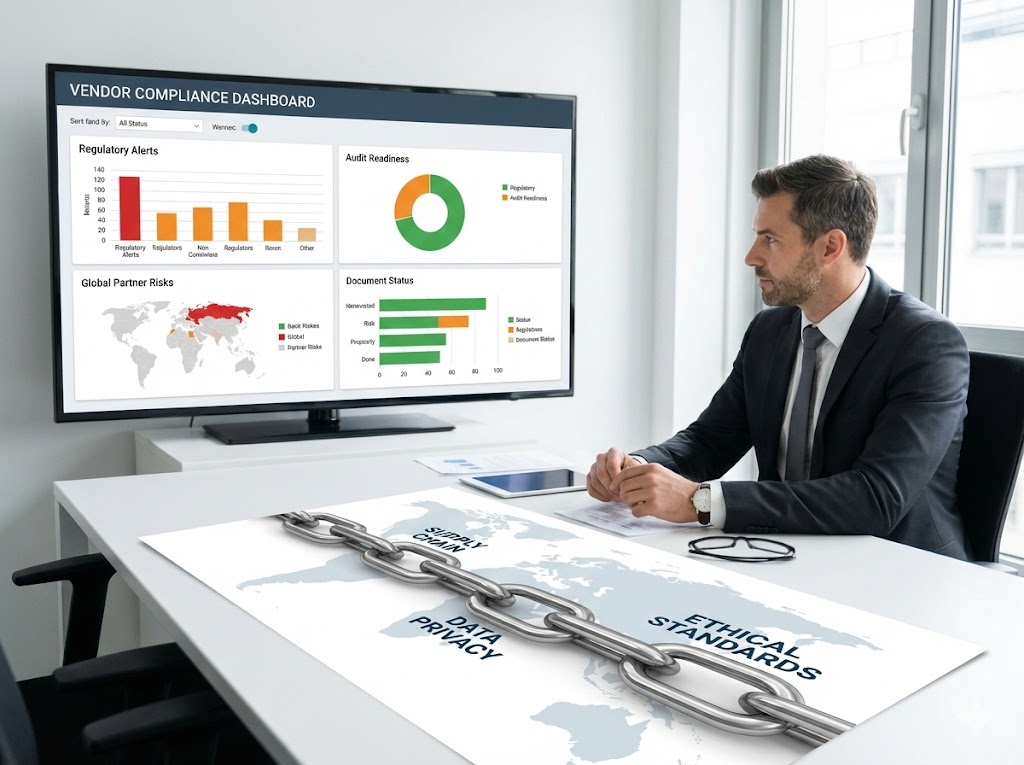
Organizations today operate in increasingly complex regulatory environments where vendor relationships create substantial compliance obligations. A single non-compliant vendor can trigger regulatory investigations, result in substantial fines, and damage relationships with customers who expect responsible business practices throughout your supply chain.
The challenge extends beyond simply verifying that vendors meet basic requirements. Modern compliance programs must continuously monitor vendor activities, track changing regulations across multiple jurisdictions, and maintain detailed documentation that demonstrates due diligence. Organizations that treat vendor compliance as a checklist exercise rather than an ongoing strategic priority inevitably face problems.
Understanding your vendor compliance obligations
Regulatory requirements affecting vendor relationships vary significantly across industries and geographies. Financial services organizations face strict third-party risk management requirements under banking regulations. Healthcare companies must ensure vendors comply with HIPAA privacy rules and maintain appropriate security controls. Manufacturing firms navigate environmental regulations, workplace safety standards, and supply chain transparency requirements.
Data privacy regulations like GDPR and CCPA create compliance obligations that extend to any vendor who processes customer information on your behalf. These vendors become extensions of your data processing activities, and regulators hold you accountable for their compliance failures. Understanding which vendors handle personal data and ensuring they maintain appropriate safeguards represents a critical compliance priority.
Industry-specific certifications and standards add another layer of complexity. ISO certifications, SOC 2 reports, and industry-specific quality standards often factor into vendor compliance requirements. Organizations must verify that vendors maintain current certifications and understand what these certifications actually validate.
Export controls and sanctions compliance affect organizations operating internationally. Vendors involved in international supply chains must comply with trade restrictions, export licensing requirements, and economic sanctions programs. Violations in this area carry severe penalties including criminal prosecution.
Mapping your complete compliance obligation landscape provides the foundation for effective vendor compliance management. Many organizations discover they have requirements they weren't actively monitoring, creating exposure they didn't realize existed.
Building a vendor compliance framework
Effective compliance management requires systematic processes rather than ad-hoc responses to regulatory inquiries. A comprehensive framework establishes consistent approaches to vendor evaluation, monitoring, and remediation that work across your entire vendor portfolio.
Risk-based compliance approaches allocate resources efficiently by focusing intensive oversight on vendors who pose the greatest compliance risks. High-risk vendors include those handling sensitive data, operating in heavily regulated industries, or providing services critical to your operations. These vendors warrant frequent audits, detailed documentation requirements, and close ongoing monitoring.
Lower-risk vendors still require compliance verification, but organizations can use streamlined processes that balance due diligence with operational efficiency. Self-certification questionnaires, periodic compliance attestations, and sampling-based verification approaches work well for vendors with limited compliance risk profiles.
Compliance tier definitions help organizations categorize vendors appropriately and apply corresponding oversight levels. Document the criteria that place vendors in each tier and the specific compliance requirements that apply. This transparency ensures consistent application of compliance standards and helps vendors understand your expectations.
Standardized compliance documentation creates consistency while reducing administrative burden. Develop templates for vendor compliance questionnaires, certification requirements, and audit protocols. These standardized tools make it easier to compare vendors, identify trends, and demonstrate to regulators that you apply consistent compliance standards.
Implementing effective vendor compliance monitoring
Initial compliance verification during vendor onboarding represents just the starting point. Ongoing monitoring ensures vendors maintain compliance throughout your business relationship and alerts you to emerging issues before they escalate into serious problems.
Automated compliance tracking systems eliminate the manual effort required to monitor vendor certifications, licenses, and insurance policies. These platforms maintain centralized repositories of vendor compliance documentation and generate alerts when renewals approach or documents expire. Automation ensures nothing falls through the cracks even as vendor portfolios grow.
Periodic compliance assessments verify that vendors continue meeting your standards. The frequency of these assessments should align with vendor risk profiles, with high-risk vendors evaluated quarterly or semi-annually while lower-risk vendors undergo annual reviews. Assessments should examine not just documentation but actual compliance practices through site visits, process reviews, and employee interviews.
Regulatory change monitoring ensures your compliance requirements stay current as laws and regulations evolve. Subscribe to regulatory updates relevant to your industry, participate in industry associations that track compliance developments, and maintain relationships with legal counsel who can interpret new requirements. When regulations change, quickly assess which vendors are affected and communicate new expectations.
Third-party audit rights written into vendor contracts provide mechanisms for verifying compliance when concerns arise. These provisions should specify your right to conduct audits, require vendor cooperation, and outline timeframes for completing assessments. While you may not exercise audit rights frequently, having them available provides important leverage.
Managing vendor compliance documentation
Regulatory audits and legal proceedings require organizations to produce extensive documentation demonstrating vendor compliance due diligence. Poor documentation practices transform defensible compliance programs into regulatory nightmares when organizations can't locate critical records or demonstrate they followed stated procedures.
Centralized document repositories ensure all vendor compliance materials are accessible from a single location. Cloud-based vendor management platforms provide secure storage with role-based access controls, version tracking, and audit trails that document who accessed what information and when. This centralization proves invaluable during audits when you need to quickly produce specific documentation.
Document retention policies specify how long you maintain different types of vendor compliance records. Regulatory requirements, statute of limitations periods, and business needs all influence appropriate retention periods. Some compliance documentation may require indefinite retention while other materials can be purged after specified periods.
Automated document collection workflows reduce the manual effort required to gather compliance documentation from vendors. Portal-based systems allow vendors to upload certifications, audit reports, and compliance attestations directly into your repository. Automated reminders prompt vendors when documentation needs updating, reducing gaps in your compliance files.
Version control and change tracking create clear audit trails showing how vendor compliance documentation evolved over time. When regulators question why you continued working with a vendor despite compliance concerns, detailed records showing the corrective actions implemented and verification performed demonstrate your due diligence.
Addressing vendor compliance failures
Despite best efforts, vendors occasionally fail to meet compliance requirements. How organizations respond to these failures significantly impacts regulatory risk and demonstrates the maturity of compliance programs.
Graduated response protocols establish clear escalation paths based on the severity and nature of compliance violations. Minor documentation gaps might warrant simple vendor notifications and deadline extensions. Serious compliance violations like data breaches, safety incidents, or regulatory enforcement actions require immediate action including suspension of work and formal remediation plans.
Corrective action plans document the specific steps vendors must take to address compliance deficiencies and the timeframes for completion. These plans should be detailed, measurable, and include verification procedures that confirm vendors actually implemented required changes. Vague commitments to "improve compliance" don't provide meaningful assurance.
Verification procedures confirm that vendors completed corrective actions and compliance issues are actually resolved. Depending on the nature of the violation, verification might include follow-up audits, third-party assessments, or ongoing enhanced monitoring. Don't simply accept vendor assurances that problems are fixed without independent validation.
Vendor termination processes provide final escalation options when compliance issues can't be resolved. Contracts should specify compliance failures that warrant termination and the procedures for transitioning work to alternative vendors. While termination represents a last resort, having clear contractual authority removes ambiguity when difficult decisions become necessary.
Lessons learned reviews after significant compliance incidents help organizations improve processes and prevent recurrence. Analyze what warning signs were missed, which controls failed, and how response procedures performed. Use these insights to strengthen compliance frameworks across your entire vendor portfolio.
Leveraging technology for compliance management
Manual compliance tracking becomes unmanageable as vendor portfolios grow and regulatory requirements expand. Technology solutions transform compliance management from reactive firefighting into proactive risk mitigation.
Vendor lifecycle management platforms centralize all compliance-related activities from initial vendor qualification through ongoing monitoring and periodic assessments. Configurable workflows guide teams through compliance verification procedures, ensuring consistent application of standards. Dashboard visualizations provide real-time visibility into compliance status across your vendor portfolio.
Integration with compliance databases and regulatory intelligence services keeps your requirements current. These connections automatically update compliance checklists when regulations change and provide access to current certification validation services. Instead of manually researching whether vendor certifications are legitimate and current, automated verification delivers immediate answers.
Compliance reporting tools generate audit-ready documentation that demonstrates your due diligence. With a few clicks, produce comprehensive reports showing vendor compliance status, outstanding issues, remediation activities, and trend analysis. These capabilities prove invaluable during regulatory examinations when auditors request detailed documentation.
Artificial intelligence and machine learning enhance compliance monitoring by identifying patterns that might indicate emerging risks. These technologies can analyze vendor compliance histories to predict which vendors might struggle with new requirements or flag unusual patterns that warrant investigation.
Training your team on vendor compliance
Technology and processes provide important infrastructure, but people ultimately execute compliance programs. Inadequate training leads to inconsistent compliance practices regardless of how sophisticated your systems might be.
Role-specific training ensures different team members understand their compliance responsibilities. Procurement staff need different knowledge than contract managers or operational teams working directly with vendors. Tailor training content to what each role needs to know rather than generic overview sessions.
Regular compliance updates keep teams informed about regulatory changes, new requirements, and lessons learned from compliance incidents. Quarterly training sessions, monthly newsletters, or quick reference guides help maintain awareness without overwhelming busy employees.
Scenario-based training prepares teams to recognize and respond appropriately to compliance red flags. Present realistic situations they might encounter and discuss proper escalation procedures. This practical approach builds confidence and ensures team members know what to do when concerns arise.
Organizations that invest in comprehensive vendor compliance management protect themselves from regulatory penalties while building reputational advantages with customers who value responsible business practices. By combining systematic processes, appropriate technology, and well-trained teams, companies transform vendor compliance from a burdensome obligation into a source of competitive differentiation. Vendor lifecycle management software provides the foundation for sustainable compliance programs that scale with organizational growth while maintaining the rigor regulators expect.


Vendor Compliance Management: Essential Strategies for Regulatory Success
2026-01-14
Organizations today operate in increasingly complex regulatory environments where vendor relationships create substantial compliance obligations. A single non-compliant vendor can trigger regulatory investigations, result in substantial fines, and damage relationships with customers who expect responsible business practices throughout your supply chain.
The challenge extends beyond simply verifying that vendors meet basic requirements. Modern compliance programs must continuously monitor vendor activities, track changing regulations across multiple jurisdictions, and maintain detailed documentation that demonstrates due diligence. Organizations that treat vendor compliance as a checklist exercise rather than an ongoing strategic priority inevitably face problems.
Understanding your vendor compliance obligations
Regulatory requirements affecting vendor relationships vary significantly across industries and geographies. Financial services organizations face strict third-party risk management requirements under banking regulations. Healthcare companies must ensure vendors comply with HIPAA privacy rules and maintain appropriate security controls. Manufacturing firms navigate environmental regulations, workplace safety standards, and supply chain transparency requirements.
Data privacy regulations like GDPR and CCPA create compliance obligations that extend to any vendor who processes customer information on your behalf. These vendors become extensions of your data processing activities, and regulators hold you accountable for their compliance failures. Understanding which vendors handle personal data and ensuring they maintain appropriate safeguards represents a critical compliance priority.
Industry-specific certifications and standards add another layer of complexity. ISO certifications, SOC 2 reports, and industry-specific quality standards often factor into vendor compliance requirements. Organizations must verify that vendors maintain current certifications and understand what these certifications actually validate.
Export controls and sanctions compliance affect organizations operating internationally. Vendors involved in international supply chains must comply with trade restrictions, export licensing requirements, and economic sanctions programs. Violations in this area carry severe penalties including criminal prosecution.
Mapping your complete compliance obligation landscape provides the foundation for effective vendor compliance management. Many organizations discover they have requirements they weren't actively monitoring, creating exposure they didn't realize existed.
Building a vendor compliance framework
Effective compliance management requires systematic processes rather than ad-hoc responses to regulatory inquiries. A comprehensive framework establishes consistent approaches to vendor evaluation, monitoring, and remediation that work across your entire vendor portfolio.
Risk-based compliance approaches allocate resources efficiently by focusing intensive oversight on vendors who pose the greatest compliance risks. High-risk vendors include those handling sensitive data, operating in heavily regulated industries, or providing services critical to your operations. These vendors warrant frequent audits, detailed documentation requirements, and close ongoing monitoring.
Lower-risk vendors still require compliance verification, but organizations can use streamlined processes that balance due diligence with operational efficiency. Self-certification questionnaires, periodic compliance attestations, and sampling-based verification approaches work well for vendors with limited compliance risk profiles.
Compliance tier definitions help organizations categorize vendors appropriately and apply corresponding oversight levels. Document the criteria that place vendors in each tier and the specific compliance requirements that apply. This transparency ensures consistent application of compliance standards and helps vendors understand your expectations.
Standardized compliance documentation creates consistency while reducing administrative burden. Develop templates for vendor compliance questionnaires, certification requirements, and audit protocols. These standardized tools make it easier to compare vendors, identify trends, and demonstrate to regulators that you apply consistent compliance standards.
Implementing effective vendor compliance monitoring
Initial compliance verification during vendor onboarding represents just the starting point. Ongoing monitoring ensures vendors maintain compliance throughout your business relationship and alerts you to emerging issues before they escalate into serious problems.
Automated compliance tracking systems eliminate the manual effort required to monitor vendor certifications, licenses, and insurance policies. These platforms maintain centralized repositories of vendor compliance documentation and generate alerts when renewals approach or documents expire. Automation ensures nothing falls through the cracks even as vendor portfolios grow.
Periodic compliance assessments verify that vendors continue meeting your standards. The frequency of these assessments should align with vendor risk profiles, with high-risk vendors evaluated quarterly or semi-annually while lower-risk vendors undergo annual reviews. Assessments should examine not just documentation but actual compliance practices through site visits, process reviews, and employee interviews.
Regulatory change monitoring ensures your compliance requirements stay current as laws and regulations evolve. Subscribe to regulatory updates relevant to your industry, participate in industry associations that track compliance developments, and maintain relationships with legal counsel who can interpret new requirements. When regulations change, quickly assess which vendors are affected and communicate new expectations.
Third-party audit rights written into vendor contracts provide mechanisms for verifying compliance when concerns arise. These provisions should specify your right to conduct audits, require vendor cooperation, and outline timeframes for completing assessments. While you may not exercise audit rights frequently, having them available provides important leverage.
Managing vendor compliance documentation
Regulatory audits and legal proceedings require organizations to produce extensive documentation demonstrating vendor compliance due diligence. Poor documentation practices transform defensible compliance programs into regulatory nightmares when organizations can't locate critical records or demonstrate they followed stated procedures.
Centralized document repositories ensure all vendor compliance materials are accessible from a single location. Cloud-based vendor management platforms provide secure storage with role-based access controls, version tracking, and audit trails that document who accessed what information and when. This centralization proves invaluable during audits when you need to quickly produce specific documentation.
Document retention policies specify how long you maintain different types of vendor compliance records. Regulatory requirements, statute of limitations periods, and business needs all influence appropriate retention periods. Some compliance documentation may require indefinite retention while other materials can be purged after specified periods.
Automated document collection workflows reduce the manual effort required to gather compliance documentation from vendors. Portal-based systems allow vendors to upload certifications, audit reports, and compliance attestations directly into your repository. Automated reminders prompt vendors when documentation needs updating, reducing gaps in your compliance files.
Version control and change tracking create clear audit trails showing how vendor compliance documentation evolved over time. When regulators question why you continued working with a vendor despite compliance concerns, detailed records showing the corrective actions implemented and verification performed demonstrate your due diligence.
Addressing vendor compliance failures
Despite best efforts, vendors occasionally fail to meet compliance requirements. How organizations respond to these failures significantly impacts regulatory risk and demonstrates the maturity of compliance programs.
Graduated response protocols establish clear escalation paths based on the severity and nature of compliance violations. Minor documentation gaps might warrant simple vendor notifications and deadline extensions. Serious compliance violations like data breaches, safety incidents, or regulatory enforcement actions require immediate action including suspension of work and formal remediation plans.
Corrective action plans document the specific steps vendors must take to address compliance deficiencies and the timeframes for completion. These plans should be detailed, measurable, and include verification procedures that confirm vendors actually implemented required changes. Vague commitments to "improve compliance" don't provide meaningful assurance.
Verification procedures confirm that vendors completed corrective actions and compliance issues are actually resolved. Depending on the nature of the violation, verification might include follow-up audits, third-party assessments, or ongoing enhanced monitoring. Don't simply accept vendor assurances that problems are fixed without independent validation.
Vendor termination processes provide final escalation options when compliance issues can't be resolved. Contracts should specify compliance failures that warrant termination and the procedures for transitioning work to alternative vendors. While termination represents a last resort, having clear contractual authority removes ambiguity when difficult decisions become necessary.
Lessons learned reviews after significant compliance incidents help organizations improve processes and prevent recurrence. Analyze what warning signs were missed, which controls failed, and how response procedures performed. Use these insights to strengthen compliance frameworks across your entire vendor portfolio.
Leveraging technology for compliance management
Manual compliance tracking becomes unmanageable as vendor portfolios grow and regulatory requirements expand. Technology solutions transform compliance management from reactive firefighting into proactive risk mitigation.
Vendor lifecycle management platforms centralize all compliance-related activities from initial vendor qualification through ongoing monitoring and periodic assessments. Configurable workflows guide teams through compliance verification procedures, ensuring consistent application of standards. Dashboard visualizations provide real-time visibility into compliance status across your vendor portfolio.
Integration with compliance databases and regulatory intelligence services keeps your requirements current. These connections automatically update compliance checklists when regulations change and provide access to current certification validation services. Instead of manually researching whether vendor certifications are legitimate and current, automated verification delivers immediate answers.
Compliance reporting tools generate audit-ready documentation that demonstrates your due diligence. With a few clicks, produce comprehensive reports showing vendor compliance status, outstanding issues, remediation activities, and trend analysis. These capabilities prove invaluable during regulatory examinations when auditors request detailed documentation.
Artificial intelligence and machine learning enhance compliance monitoring by identifying patterns that might indicate emerging risks. These technologies can analyze vendor compliance histories to predict which vendors might struggle with new requirements or flag unusual patterns that warrant investigation.
Training your team on vendor compliance
Technology and processes provide important infrastructure, but people ultimately execute compliance programs. Inadequate training leads to inconsistent compliance practices regardless of how sophisticated your systems might be.
Role-specific training ensures different team members understand their compliance responsibilities. Procurement staff need different knowledge than contract managers or operational teams working directly with vendors. Tailor training content to what each role needs to know rather than generic overview sessions.
Regular compliance updates keep teams informed about regulatory changes, new requirements, and lessons learned from compliance incidents. Quarterly training sessions, monthly newsletters, or quick reference guides help maintain awareness without overwhelming busy employees.
Scenario-based training prepares teams to recognize and respond appropriately to compliance red flags. Present realistic situations they might encounter and discuss proper escalation procedures. This practical approach builds confidence and ensures team members know what to do when concerns arise.
Organizations that invest in comprehensive vendor compliance management protect themselves from regulatory penalties while building reputational advantages with customers who value responsible business practices. By combining systematic processes, appropriate technology, and well-trained teams, companies transform vendor compliance from a burdensome obligation into a source of competitive differentiation. Vendor lifecycle management software provides the foundation for sustainable compliance programs that scale with organizational growth while maintaining the rigor regulators expect.
Vendor Compliance Management: Essential Strategies for Regulatory Success
2026-01-14
Organizations today operate in increasingly complex regulatory environments where vendor relationships create substantial compliance obligations. A single non-compliant vendor can trigger regulatory investigations, result in substantial fines, and damage relationships with customers who expect responsible business practices throughout your supply chain.
The challenge extends beyond simply verifying that vendors meet basic requirements. Modern compliance programs must continuously monitor vendor activities, track changing regulations across multiple jurisdictions, and maintain detailed documentation that demonstrates due diligence. Organizations that treat vendor compliance as a checklist exercise rather than an ongoing strategic priority inevitably face problems.
Understanding your vendor compliance obligations
Regulatory requirements affecting vendor relationships vary significantly across industries and geographies. Financial services organizations face strict third-party risk management requirements under banking regulations. Healthcare companies must ensure vendors comply with HIPAA privacy rules and maintain appropriate security controls. Manufacturing firms navigate environmental regulations, workplace safety standards, and supply chain transparency requirements.
Data privacy regulations like GDPR and CCPA create compliance obligations that extend to any vendor who processes customer information on your behalf. These vendors become extensions of your data processing activities, and regulators hold you accountable for their compliance failures. Understanding which vendors handle personal data and ensuring they maintain appropriate safeguards represents a critical compliance priority.
Industry-specific certifications and standards add another layer of complexity. ISO certifications, SOC 2 reports, and industry-specific quality standards often factor into vendor compliance requirements. Organizations must verify that vendors maintain current certifications and understand what these certifications actually validate.
Export controls and sanctions compliance affect organizations operating internationally. Vendors involved in international supply chains must comply with trade restrictions, export licensing requirements, and economic sanctions programs. Violations in this area carry severe penalties including criminal prosecution.
Mapping your complete compliance obligation landscape provides the foundation for effective vendor compliance management. Many organizations discover they have requirements they weren't actively monitoring, creating exposure they didn't realize existed.
Building a vendor compliance framework
Effective compliance management requires systematic processes rather than ad-hoc responses to regulatory inquiries. A comprehensive framework establishes consistent approaches to vendor evaluation, monitoring, and remediation that work across your entire vendor portfolio.
Risk-based compliance approaches allocate resources efficiently by focusing intensive oversight on vendors who pose the greatest compliance risks. High-risk vendors include those handling sensitive data, operating in heavily regulated industries, or providing services critical to your operations. These vendors warrant frequent audits, detailed documentation requirements, and close ongoing monitoring.
Lower-risk vendors still require compliance verification, but organizations can use streamlined processes that balance due diligence with operational efficiency. Self-certification questionnaires, periodic compliance attestations, and sampling-based verification approaches work well for vendors with limited compliance risk profiles.
Compliance tier definitions help organizations categorize vendors appropriately and apply corresponding oversight levels. Document the criteria that place vendors in each tier and the specific compliance requirements that apply. This transparency ensures consistent application of compliance standards and helps vendors understand your expectations.
Standardized compliance documentation creates consistency while reducing administrative burden. Develop templates for vendor compliance questionnaires, certification requirements, and audit protocols. These standardized tools make it easier to compare vendors, identify trends, and demonstrate to regulators that you apply consistent compliance standards.
Implementing effective vendor compliance monitoring
Initial compliance verification during vendor onboarding represents just the starting point. Ongoing monitoring ensures vendors maintain compliance throughout your business relationship and alerts you to emerging issues before they escalate into serious problems.
Automated compliance tracking systems eliminate the manual effort required to monitor vendor certifications, licenses, and insurance policies. These platforms maintain centralized repositories of vendor compliance documentation and generate alerts when renewals approach or documents expire. Automation ensures nothing falls through the cracks even as vendor portfolios grow.
Periodic compliance assessments verify that vendors continue meeting your standards. The frequency of these assessments should align with vendor risk profiles, with high-risk vendors evaluated quarterly or semi-annually while lower-risk vendors undergo annual reviews. Assessments should examine not just documentation but actual compliance practices through site visits, process reviews, and employee interviews.
Regulatory change monitoring ensures your compliance requirements stay current as laws and regulations evolve. Subscribe to regulatory updates relevant to your industry, participate in industry associations that track compliance developments, and maintain relationships with legal counsel who can interpret new requirements. When regulations change, quickly assess which vendors are affected and communicate new expectations.
Third-party audit rights written into vendor contracts provide mechanisms for verifying compliance when concerns arise. These provisions should specify your right to conduct audits, require vendor cooperation, and outline timeframes for completing assessments. While you may not exercise audit rights frequently, having them available provides important leverage.
Managing vendor compliance documentation
Regulatory audits and legal proceedings require organizations to produce extensive documentation demonstrating vendor compliance due diligence. Poor documentation practices transform defensible compliance programs into regulatory nightmares when organizations can't locate critical records or demonstrate they followed stated procedures.
Centralized document repositories ensure all vendor compliance materials are accessible from a single location. Cloud-based vendor management platforms provide secure storage with role-based access controls, version tracking, and audit trails that document who accessed what information and when. This centralization proves invaluable during audits when you need to quickly produce specific documentation.
Document retention policies specify how long you maintain different types of vendor compliance records. Regulatory requirements, statute of limitations periods, and business needs all influence appropriate retention periods. Some compliance documentation may require indefinite retention while other materials can be purged after specified periods.
Automated document collection workflows reduce the manual effort required to gather compliance documentation from vendors. Portal-based systems allow vendors to upload certifications, audit reports, and compliance attestations directly into your repository. Automated reminders prompt vendors when documentation needs updating, reducing gaps in your compliance files.
Version control and change tracking create clear audit trails showing how vendor compliance documentation evolved over time. When regulators question why you continued working with a vendor despite compliance concerns, detailed records showing the corrective actions implemented and verification performed demonstrate your due diligence.
Addressing vendor compliance failures
Despite best efforts, vendors occasionally fail to meet compliance requirements. How organizations respond to these failures significantly impacts regulatory risk and demonstrates the maturity of compliance programs.
Graduated response protocols establish clear escalation paths based on the severity and nature of compliance violations. Minor documentation gaps might warrant simple vendor notifications and deadline extensions. Serious compliance violations like data breaches, safety incidents, or regulatory enforcement actions require immediate action including suspension of work and formal remediation plans.
Corrective action plans document the specific steps vendors must take to address compliance deficiencies and the timeframes for completion. These plans should be detailed, measurable, and include verification procedures that confirm vendors actually implemented required changes. Vague commitments to "improve compliance" don't provide meaningful assurance.
Verification procedures confirm that vendors completed corrective actions and compliance issues are actually resolved. Depending on the nature of the violation, verification might include follow-up audits, third-party assessments, or ongoing enhanced monitoring. Don't simply accept vendor assurances that problems are fixed without independent validation.
Vendor termination processes provide final escalation options when compliance issues can't be resolved. Contracts should specify compliance failures that warrant termination and the procedures for transitioning work to alternative vendors. While termination represents a last resort, having clear contractual authority removes ambiguity when difficult decisions become necessary.
Lessons learned reviews after significant compliance incidents help organizations improve processes and prevent recurrence. Analyze what warning signs were missed, which controls failed, and how response procedures performed. Use these insights to strengthen compliance frameworks across your entire vendor portfolio.
Leveraging technology for compliance management
Manual compliance tracking becomes unmanageable as vendor portfolios grow and regulatory requirements expand. Technology solutions transform compliance management from reactive firefighting into proactive risk mitigation.
Vendor lifecycle management platforms centralize all compliance-related activities from initial vendor qualification through ongoing monitoring and periodic assessments. Configurable workflows guide teams through compliance verification procedures, ensuring consistent application of standards. Dashboard visualizations provide real-time visibility into compliance status across your vendor portfolio.
Integration with compliance databases and regulatory intelligence services keeps your requirements current. These connections automatically update compliance checklists when regulations change and provide access to current certification validation services. Instead of manually researching whether vendor certifications are legitimate and current, automated verification delivers immediate answers.
Compliance reporting tools generate audit-ready documentation that demonstrates your due diligence. With a few clicks, produce comprehensive reports showing vendor compliance status, outstanding issues, remediation activities, and trend analysis. These capabilities prove invaluable during regulatory examinations when auditors request detailed documentation.
Artificial intelligence and machine learning enhance compliance monitoring by identifying patterns that might indicate emerging risks. These technologies can analyze vendor compliance histories to predict which vendors might struggle with new requirements or flag unusual patterns that warrant investigation.
Training your team on vendor compliance
Technology and processes provide important infrastructure, but people ultimately execute compliance programs. Inadequate training leads to inconsistent compliance practices regardless of how sophisticated your systems might be.
Role-specific training ensures different team members understand their compliance responsibilities. Procurement staff need different knowledge than contract managers or operational teams working directly with vendors. Tailor training content to what each role needs to know rather than generic overview sessions.
Regular compliance updates keep teams informed about regulatory changes, new requirements, and lessons learned from compliance incidents. Quarterly training sessions, monthly newsletters, or quick reference guides help maintain awareness without overwhelming busy employees.
Scenario-based training prepares teams to recognize and respond appropriately to compliance red flags. Present realistic situations they might encounter and discuss proper escalation procedures. This practical approach builds confidence and ensures team members know what to do when concerns arise.
Organizations that invest in comprehensive vendor compliance management protect themselves from regulatory penalties while building reputational advantages with customers who value responsible business practices. By combining systematic processes, appropriate technology, and well-trained teams, companies transform vendor compliance from a burdensome obligation into a source of competitive differentiation. Vendor lifecycle management software provides the foundation for sustainable compliance programs that scale with organizational growth while maintaining the rigor regulators expect.